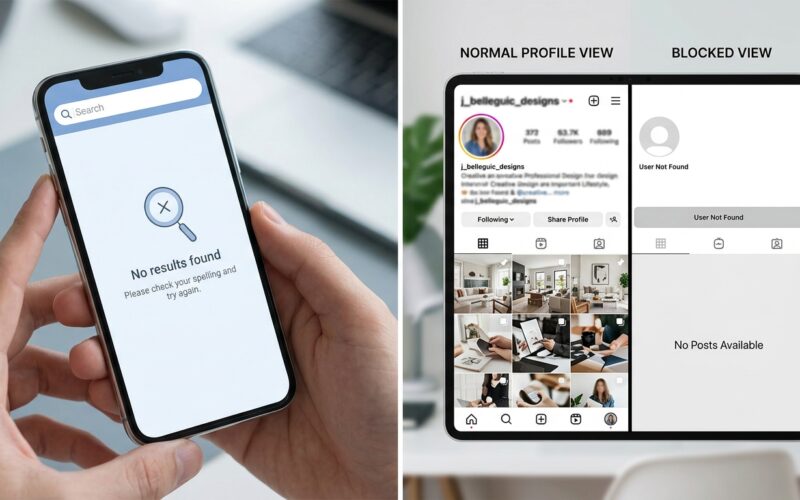
The name Streman has appeared in online articles discussing digital creators, usernames and internet culture. However, the spelling does not point to one universally established meaning. The context in which someone encounters the term matters, particularly when trying to identify a creator or find an official account.
For readers researching Streman, the first task is to separate verifiable information from assumptions. A username, a creator’s public identity and a dictionary definition are three different things. Treating them as interchangeable can lead to inaccurate descriptions, misleading profiles and confusion about the person or subject behind a search result.
For independent publishers and digital creators, this distinction also has practical value. Understanding how an unfamiliar name appears across search results can help readers evaluate sources and help publishers produce more trustworthy articles.
Quick Answer: What Is Streman?
Streman is an online search term whose meaning depends on its context. Recent web articles associate similar spellings, including StreMan, with digital creators and streaming culture, while other uses may refer to usernames, personal names or unrelated online identities. The available information does not establish one definitive meaning for every occurrence of the term. Readers should check the exact spelling, the source publishing the information and any official profile linked to the name before accepting biographical claims. For publishers, the most reliable approach is to explain what can be verified, distinguish confirmed facts from possible interpretations, and avoid unsupported claims about a person’s age, location, income, audience size or career history.
Key Takeaways
-
Meaning: Streman does not have one clearly established meaning across all online contexts.
-
Creator identity: Similar spellings appear in articles about online creators, but a matching name alone does not establish identity.
-
Verification: Official accounts, original posts and credible sources offer stronger evidence than repeated claims on unrelated websites.
-
Publishing strategy: Articles about unfamiliar names should answer the reader’s question without inventing biographical details.
-
Search visibility: Accurate explanations and clear sourcing can help readers understand a topic and assess the reliability of a page.
What Does Streman Mean?
The meaning of Streman depends on how and where the word appears. It may function as a username, a name used by an online creator, a variation of another spelling or a search term that people use when looking for a particular subject.
A useful distinction is that a word’s online popularity does not automatically establish its dictionary meaning. Similarly, the presence of a name in several articles does not prove that those articles describe the same individual.
When researching Streman, begin with the exact spelling. Check whether the source uses Streman, StreMan or another similar name, and look for evidence connecting the spelling to a specific account or person.
Is Streman a Person, Brand or Online Term?
It could be used in different ways, depending on the source. A creator might use a distinctive name across video platforms, while another individual or business could use a similar spelling independently.
The safest way to identify the intended meaning is to examine the surrounding information. A profile that links to original videos provides a different kind of evidence from a general article that merely mentions the name.
The same principle applies to brand research. A company name should be connected to an official domain, product documentation or verified business profile before an article describes its services.
Is Streman Related to StreMan?
Some online articles use the spelling StreMan when discussing streaming and digital entertainment. One such article describes StreMan as a Twitch streamer and online content creator. However, the existence of that article does not independently establish the person’s complete biography or confirm that every search for Streman refers to the same creator.
Why Is Streman Appearing in Online Searches?
Unfamiliar names can attract searches for several reasons. A creator may receive attention through a video, a username may spread across social platforms, or publishers may begin writing explanatory articles after noticing interest in a particular term.
These possibilities do not prove why people are searching for Streman specifically. Without reliable search-volume data or documented information about the original source of interest, it would be misleading to claim that the term is trending or experiencing a particular percentage of growth.
Several common patterns can explain how similar terms circulate online.
1. Creator Discovery
Video platforms allow audiences to discover creators through recommendations, shared clips and discussions. When viewers encounter a name in a video, they may search for the creator’s profile, other uploads or background information.
Spelling matters here. A small difference in a username can lead to an unrelated account, particularly when names are short or use unusual capitalization.
2. Repeated Mentions Across Websites
An unfamiliar term may appear in multiple articles after one publisher introduces it. Other sites may then discuss the same name, sometimes adding interpretations that are not supported by new evidence.
A high number of search results is therefore not the same as a high number of independent confirmations. Readers should check whether articles cite original sources or simply repeat one another.
3. Interest in Unfamiliar Names
People regularly search for names they encounter in comments, social posts, videos and online communities. They may want to know what a name means, who uses it or whether a profile belongs to the person they have in mind.
These are different search intentions. A useful article should address them separately rather than assuming every reader wants the same answer.
How to Verify Information About Streman
When researching a person or online identity, evidence should come before assumptions. This is particularly important when several websites publish similar descriptions without linking to original material.
Use the following process to assess the information available about Streman.
Check Official Profiles
Look for a profile that the individual or organization directly controls. Check whether the account links to other established profiles, publishes original material and consistently uses the same identity.
A profile name alone is weak evidence. A copied photograph or similar username is not sufficient to confirm that two accounts belong to the same person.
Find Original Content
If an article identifies Streman as a creator, look for the original videos, streams or public posts supporting that description. The content should match the claimed account and identity.
Where no primary source is available, explain that limitation. Do not convert an unverified description into a definitive biographical statement.
Compare Sources Carefully
Independent sources can help establish context, but their independence matters. If several articles repeat the same claim without citing separate evidence, they may all depend on one unverified source.
For background on evaluating online information, consult Google’s official guidance on creating helpful, reliable, people-first content. Its recommendations emphasize accuracy, originality and clear evidence of expertise.
Separate Facts From Assumptions
A useful research note can divide findings into three groups:
-
Verified: Directly supported by an official account or reliable primary source.
-
Reported: Stated by a publication, but not independently confirmed.
-
Unclear: Missing sufficient evidence or contradicted by other sources.
This simple method makes an article more accurate and helps editors avoid turning speculation into fact.
Streman and the Digital Creator Economy
If a search for Streman leads to a streaming creator, the broader creator economy offers useful context. Online video has made it possible for individuals to publish content directly to audiences without relying entirely on traditional media companies.
Creators can build communities around gaming, commentary, tutorials, entertainment or other interests. Their public identities often extend across several services, each with different tools for publishing, audience interaction and content discovery.
However, a creator’s presence on a platform does not establish the size or commercial value of their audience. Those details require reliable evidence.
How Streaming Creators Build an Audience
Creators commonly develop an audience by publishing material that viewers want to watch regularly. The format may include live broadcasts, edited videos, short clips or community discussions.
Consistency can help audiences know when to return, but publishing frequency alone does not guarantee growth. Content quality, subject relevance, audience preferences and platform recommendations all influence the results.
Creators also need to understand the difference between views and meaningful audience engagement. A video with a high view count may receive little discussion, while a smaller community may return regularly and participate actively.
Why Creator Identity Matters
A recognizable username can make it easier for audiences to find the same creator across different platforms. It can also reduce confusion when viewers want to locate original content rather than unofficial reposts.
Creators should keep public profile information consistent where practical. They should also use links to their official channels so readers can distinguish genuine accounts from impersonators.
For publishers, the same principle applies. An article should link to an official profile only when the connection has been verified.
The following table explains how readers can distinguish between possible uses of the term. These are research categories, not a claim that every interpretation has been confirmed.
| Possible context | What it may refer to | Evidence to check | Main limitation |
|---|---|---|---|
| Online creator | A person publishing videos or live content | Original videos and official profiles | Similar names may identify different people |
| Username | An account name on a digital platform | Account history and profile links | A username does not establish a legal identity |
| Personal name | A name used by an individual or family | Reliable biographical or historical records | Similar spellings may have unrelated origins |
| Brand or business | A company, product or service | Official domain and business documentation | A name alone does not prove that a business exists |
| Search term | A phrase used to find information | Search results and the context of the query | Search visibility does not establish a definitive meaning |
The most appropriate interpretation depends on the evidence available. If the term appears beside a creator’s original videos, the creator context may be relevant. If it appears in a business directory or historical document, a different explanation may be more accurate.
What Streman Research Can Teach Digital Publishers
For independent web creators and digital publishers, an unfamiliar keyword presents both an editorial challenge and a potential search opportunity. The challenge is to meet the reader’s information need without exaggerating what the available evidence supports.
A name-based article should begin with the most defensible answer, identify uncertainty early and explain how readers can verify further details. That structure is more useful than filling gaps with generic claims about popularity or success.
Match the Article to Search Intent
Before drafting, identify the question the reader is likely trying to answer. For a term such as Streman, possible questions include:
-
What does Streman mean?
-
Is Streman the name of an online creator?
-
How can I identify the correct account?
-
Where can I find reliable information about the name?
These questions overlap, but they are not identical. An article that addresses each one clearly gives readers a more useful reference than a page that repeats the same definition in several sections.
Avoid Unsupported Metrics
Search articles sometimes attach precise figures to creators, including follower counts, earnings estimates and monthly views. These numbers should not appear unless a credible source supports them and the measurement date is clear.
A creator’s public statistics can change quickly. Estimates from third-party websites may also use different methods, making direct comparisons unreliable.
When no trustworthy figure is available, say so. An honest limitation is more useful than a number that creates a false impression of certainty.
Build Content Around Original Value
An article should contribute something beyond a rearrangement of existing pages. For a name-based topic, that contribution could be a careful explanation of spelling variations, a transparent evidence checklist or a clear distinction between verified details and unconfirmed claims.
Google’s guidance on people-first content recommends useful, original information rather than pages produced mainly to attract search visits. Publishers can read the official Google Search content guidance before finalizing their editorial approach.
Use Images That Support the Subject
Visual assets can help readers understand the subject, but they should not imply facts that the article cannot establish. A generic creator-studio photograph may illustrate streaming culture, for example, but it should not be presented as an actual photograph of Streman unless its identity and usage rights have been verified.
Image descriptions should accurately explain what an image depicts. Captions are also useful when a visual needs context that the surrounding paragraph does not provide.
For video-related publishers, the W3C’s guidance on accessible video captions explains how captions make spoken content accessible to people who are deaf or hard of hearing.
A Practical Editorial Workflow for Streman
A repeatable research process can help editors handle unfamiliar names without sacrificing accuracy.
Step 1: Establish the query
Record the exact spelling and identify whether the search is about a person, business, username or general term.
Step 2: Verify primary sources
Check official profiles, original posts and reliable documentation before writing biographical claims.
Step 3: Draft the explanation
Put the clearest supported answer near the beginning. Label uncertain details instead of presenting them as established facts.
Step 4: Review before publication
Check names, dates, links, image descriptions and claims about popularity. Remove statements that lack adequate evidence.
Practitioner Tip
Before publishing an article about an unfamiliar name, open every source that supports a factual claim. Check whether the source provides original evidence or merely repeats another website. Keep a record of the URLs and the date you checked them. This small editorial step makes later updates easier and reduces the chance of carrying an unsupported claim into future articles.
Final Thoughts
Streman illustrates a common challenge in online research: a short search term can have several possible interpretations, while the information available about each one may vary in reliability.
The best approach is to identify the context first, verify claims against primary sources and explain any uncertainty in plain language. For readers, this makes it easier to distinguish a confirmed identity from an assumption. For publishers, it creates a stronger editorial foundation for articles that answer real questions.
Xbir Media’s coverage of digital culture should follow that same standard. Accurate information, clear sourcing and useful explanations give readers a reason to trust a page, regardless of whether the subject is a well-known platform or an unfamiliar name such as Streman.
Frequently Asked Questions About Streman
What does Streman mean?
Streman is a term used in different online contexts. Its exact meaning depends on the source and the identity or subject being discussed. It should not be assigned one universal definition without supporting evidence.
Is Streman a streamer?
Some online articles associate the similar spelling StreMan with streaming and digital content creation. However, that association does not establish that every use of Streman refers to the same person. Check official profiles and original content to confirm the intended identity.
Is Streman a real person or an online username?
It may be used as an online identity, but the spelling alone cannot confirm whether a particular account belongs to a specific individual. Reliable profile links and original material provide stronger evidence.
Where can I find accurate information about Streman?
Start with an official account or website, if one can be verified. Then compare relevant claims with credible publications that identify their sources. Be cautious of pages that repeat biographical details without evidence.
Is Streman a company or a digital product?
The available information does not establish that Streman refers to one specific company or product in every context. A business interpretation should be supported by an official domain, product documentation or other reliable business records.
Why do different websites describe Streman differently?
Websites may use the term for different subjects, or they may repeat interpretations from earlier articles. Differences can also result from similar usernames or spelling variations. Comparing original sources helps clarify which claims have reliable support.
Can a website rank for the keyword Streman?
A website may be able to rank for a name-based keyword, but the outcome depends on search intent, competition, relevance and the quality of its content. Search-volume and keyword-difficulty data should be checked before making a traffic forecast.
A publisher should also verify that the article answers the query people actually have. A well-written page cannot compensate for a mistaken assumption about the identity behind a keyword.
What should publishers avoid when writing about Streman?
Avoid inventing a biography, income estimate, follower count or personal history. Do not treat repeated claims as independent verification, and do not use unrelated photographs as though they depict the person being discussed. Clearly explain the limits of the available evidence.