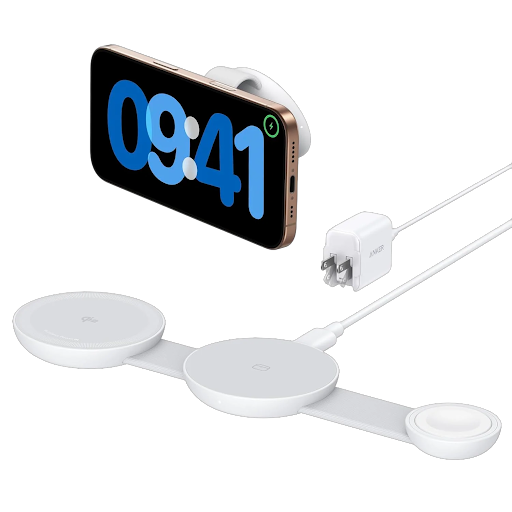
Modern life depends on smartphones, wireless earbuds, smartwatches, and other portable devices. These gadgets make daily tasks easier, but their batteries do not always last as long as we need. Whether you are working in an office, traveling, studying, or spending time outdoors, having a reliable charging solution is essential.
Two popular options are a wireless charging pad and a power bank. Both help keep electronic devices ready for use, but they serve different purposes. One offers convenient cable-free charging, while the other provides portable power when a wall outlet is unavailable. Understanding their differences can help you choose the right accessory for your lifestyle.
What Is a Wireless Charging Pad?
A wireless charging pad is a compact accessory that charges compatible electronic devices without requiring a charging cable to connect directly to the device. Instead, it uses electromagnetic induction to transfer energy from the pad to the device’s receiving coil.
Most models require a USB cable and a compatible power adapter to supply electricity. Once connected, users can place a supported smartphone or another compatible device on the charging surface.
One of the biggest advantages of this technology is convenience. You can place your phone on the pad while working, reading, or relaxing. When you need your phone, simply pick it up without unplugging a charging connector.
However, wireless charging works only with compatible devices. Charging speed also depends on the phone, the pad, the power adapter, and the supported wireless charging standard.
How a Power Bank Keeps Devices Charged
A power bank is a portable battery that stores electrical energy for later use. It allows users to recharge smartphones and other compatible devices without depending on a nearby wall outlet.
Most traditional models use USB-A or USB-C ports, while newer options may support wireless charging. This flexibility makes them useful for commuting, traveling, attending events, and spending long hours away from home.
Capacity is an important factor when choosing a portable charger. It is usually measured in milliampere-hours (mAh). A higher capacity generally means more stored energy, although the number of actual charges depends on conversion losses, device battery size, and operating conditions.
Some compact models are designed for emergencies, while larger options can recharge multiple devices. Before purchasing one, consider its weight, charging speed, port selection, and compatibility with your electronics.
Wireless Charging Pad vs Power Bank: Key Differences
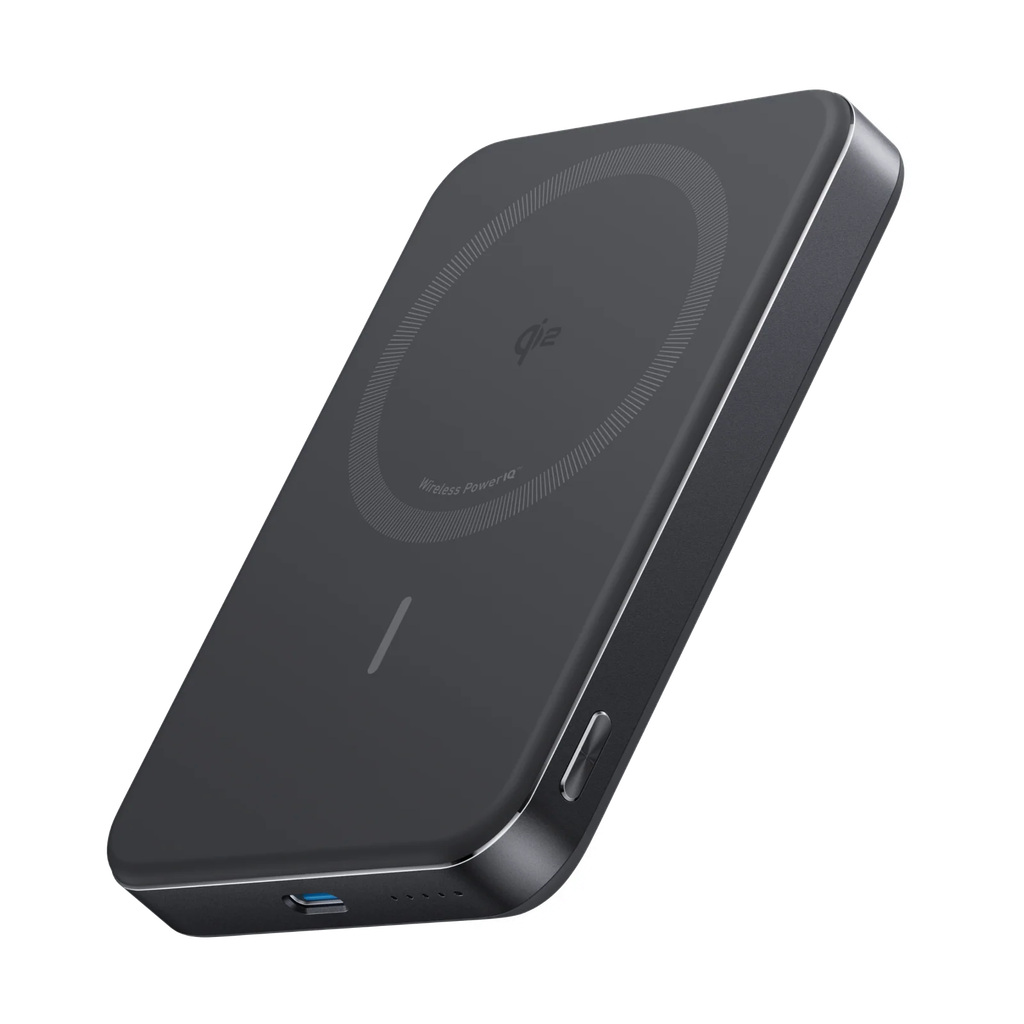
Although both accessories help maintain battery life, their main purposes are different.
A wireless charging pad is ideal for a regular charging location, such as a bedside table, office desk, or kitchen counter. It reduces the need to connect a charging cable every time you want to charge a compatible phone.
A power bank focuses on mobility. It stores energy that you can use later, making it especially helpful when traveling or working outdoors. Depending on its design, it can charge devices through a cable or wirelessly.
Charging efficiency is another difference. Wired charging from a power bank can be more energy-efficient than wireless charging, depending on the devices and charging equipment. Wireless charging may also produce more heat, which can affect charging performance.
Your choice should depend on where you charge your devices most often. For a desk or nightstand, a charging pad may be more convenient. For travel and emergencies, a portable battery is often the more practical option.
Benefits of Using a Wireless Charging Pad
A wireless charging pad can make everyday charging simpler. Instead of repeatedly plugging a cable into your phone, you can place the device on the charging surface whenever you need additional battery power.
Here are some important benefits:
Less cable clutter: A charging pad can help keep desks and bedside tables organized.
Convenient daily use: Placing and removing a compatible device is quick and simple.
Reduced connector wear: Because frequent cable insertion is unnecessary, the phone’s charging port may experience less mechanical wear.
Suitable for workspaces: A charging pad can fit neatly into a home office, reception desk, or study area.
Support for compatible accessories: Certain wireless chargers work with supported earbuds and other devices, although compatibility varies by model.
For the best results, position your device correctly on the pad and use a suitable power adapter. Thick cases, metal accessories, and poor alignment can interfere with charging.
Why a Power Bank Is Essential for Travel
Running out of battery while navigating an unfamiliar city, checking travel documents, or contacting family can be frustrating. A portable charger provides an additional source of energy when access to electricity is limited.
A well-chosen power bank can support several everyday activities. Travelers can keep their phones available for maps and bookings, students can recharge devices between classes, and professionals can maintain battery power during long meetings.
When comparing models, look beyond advertised capacity. Check the output power, supported fast-charging protocols, number of ports, and total weight. A USB-C model with compatible power delivery can be particularly useful for modern smartphones and selected tablets.
Safety should also be a priority. Choose a reputable product with appropriate protection against overcharging, overheating, and short circuits. Avoid damaged batteries, and follow the manufacturer’s instructions for storage and use.
If you plan to fly, check your airline’s rules for spare lithium batteries and portable chargers. Many airlines require these devices to remain in carry-on baggage and impose capacity restrictions.
Can You Use Both Charging Accessories Together?
Yes. For many users, combining these accessories provides a practical charging setup.
A wireless charging pad can serve as the primary charging station at home or work. Meanwhile, a portable battery can provide backup energy during commutes, shopping trips, holidays, and outdoor activities.
Some portable chargers also include built-in wireless charging. These hybrid products can reduce the number of accessories you need to carry. However, they may offer different charging speeds and capacities compared with dedicated devices.
Before purchasing a combined solution, check whether it supports your phone’s wireless charging standard. Also, compare its size, battery capacity, output options, and heat management features.
Using both accessories strategically helps you enjoy convenient charging at home without sacrificing mobility when you leave.
What to Consider Before Buying
The best charging accessory depends on your device, budget, and daily routine. Consider these factors before making a purchase.
Device compatibility: Confirm that your phone supports the wireless charging standard offered by the pad. For portable chargers, verify the available ports and supported charging protocols.
Charging speed: Check the maximum supported wattage and remember that your device must support the same charging capabilities to benefit from faster charging.
Capacity and portability: A compact portable battery is easier to carry, while a higher-capacity model can store more energy but may be heavier.
Build quality: Look for durable materials, reliable safety features, and clear manufacturer specifications.
Value for money: Compare features and warranty coverage instead of choosing a product based on price alone.
These details can help you avoid compatibility problems and choose an accessory that meets your actual needs.
Tips for Better Charging Performance
Simple habits can improve your charging experience and help protect your devices.
Keep wireless charging surfaces clean and free from objects that may interfere with energy transfer. Position your phone carefully, and remove incompatible metal attachments before charging.
For portable batteries, use quality charging cables and avoid exposing the device to excessive heat, moisture, or direct sunlight. Do not use a battery that appears swollen, leaks, or becomes unusually hot.
It is also helpful to avoid demanding activities that generate excessive heat while charging. Gaming, intensive video recording, and other processor-heavy tasks can increase device temperature.
Follow the instructions provided with each accessory. Proper handling, suitable charging equipment, and regular inspection can support safer and more reliable performance.
Final Thoughts
Choosing between a wireless charging pad and a portable battery depends on your everyday needs. A wireless pad offers convenient cable-free charging at a fixed location, making it suitable for desks, bedrooms, and workspaces.
A power bank provides stored energy that travels with you, helping keep compatible devices running when outlets are unavailable. For people who spend time both at home and outdoors, combining the two can offer a balanced solution.
Before buying either accessory, consider compatibility, charging speed, portability, safety features, and overall value. The right choice is not necessarily the most expensive product. It is the one that fits your routine and keeps your devices ready when you need them.